At LiveWebinar, we see every day how webinars help brands connect with people in a real and authentic way. But we wanted to dig deeper — to find out how professionals all over the world use webinars, what works best, and where this format is heading.
That’s why we created the LiveWebinar Report on the State of Webinars 2026. We surveyed 433 respondents from over 40 countries, including marketers, business owners, and regular webinar attendees. The results confirmed what we already suspected: webinars are stronger than ever.
Here are our main conclusions:
#1. Over 75% of respondents use webinars at work
This means webinars are now a daily marketing tool. For most, hosting webinars isn’t a one-time experiment — it’s a regular part of their marketing routine.
Nearly half of the people who took part in our survey are freelancers or business owners working independently. It’s no surprise that this group is especially active with webinars — they see them as a cost-effective way to generate leads and grow their customer base. Running live sessions helps them show expertise, connect directly with their audience, and turn authenticity into long-term client relationships.
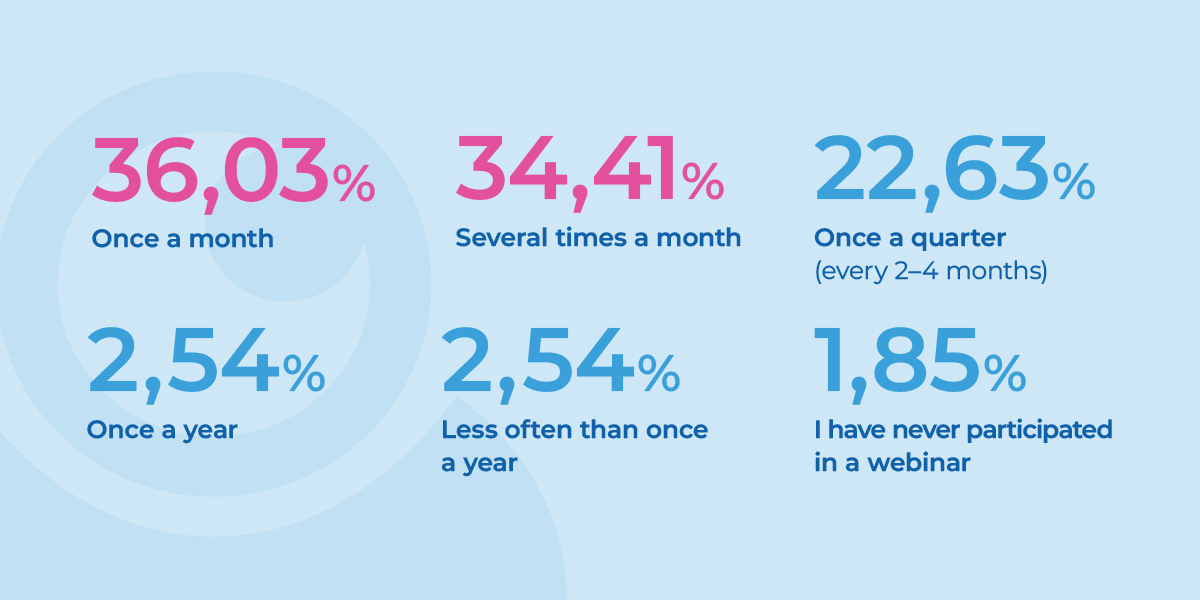
2. 67% host webinars at least once a month.
This shows that webinars have become a regular, strategic element of communication and sales, not just an occasional experiment.
For companies and independent professionals alike, consistency pays off. Regular webinars help build stronger relationships with audiences, keep brands top of mind, and create ongoing engagement rather than one-time impressions.
In fact, frequent webinars often become part of a company’s content rhythm — just like blog updates, newsletters, or social media posts. The difference is that webinars provide an interactive, real-time experience that other channels can’t match.
#3. Nearly 70% say webinars influence buying decisions
This is one of the most important findings for us: Webinars actually drive sales. Nearly 70% of attendees said that webinars influence their buying decisions. This includes: purchasing a product or a service (43,76) and registration for a demo/trial period (22,21%).
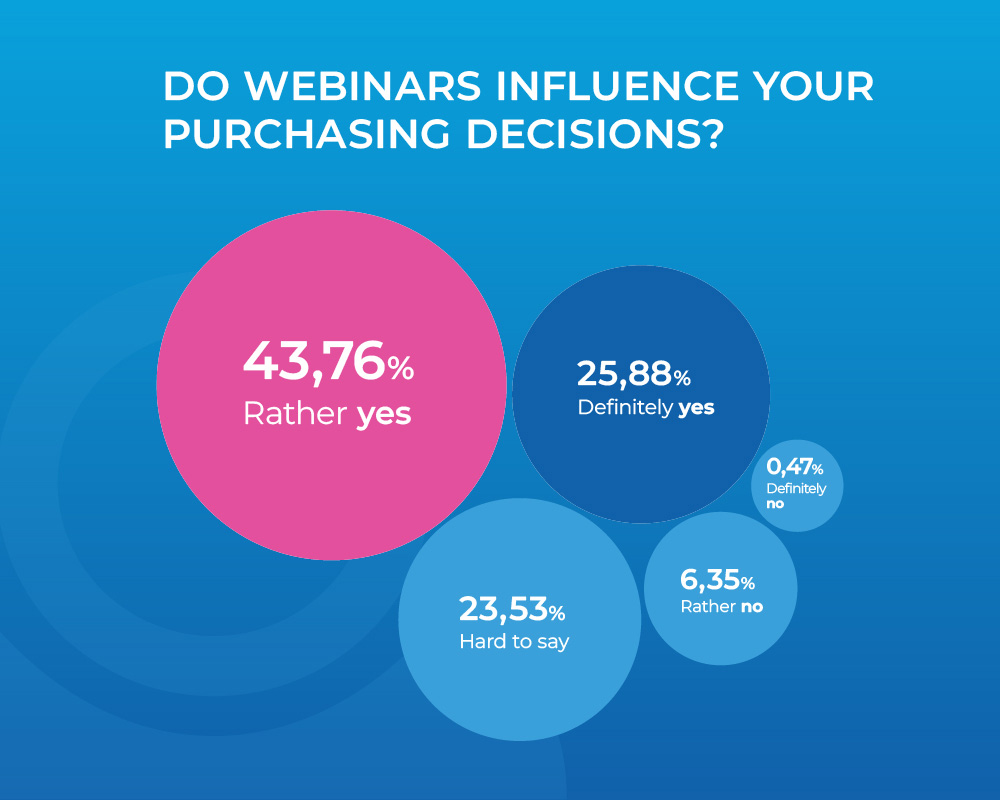
That’s because a well-run webinar gives potential customers a chance to see the product in action, understand the benefits, and ask questions in real time. That interaction builds trust and transparency, two elements that are harder to achieve through ads or automated campaigns.
When people can talk to an expert, hear authentic answers, and see practical use cases, they’re far more likely to feel confident about making a purchase. A webinar replaces the “cold” sales pitch with a genuine, value-based conversation.
#4. 83% take action right after the event
And what happens after the session? The numbers speak for themselves — 83% of attendees took direct action right after the webinar. Some make a purchase, others sign up for demos or start a free trial. In other words, engagement doesn’t end when the stream does. For many businesses, a single webinar can trigger a full customer journey, from first contact to conversion.
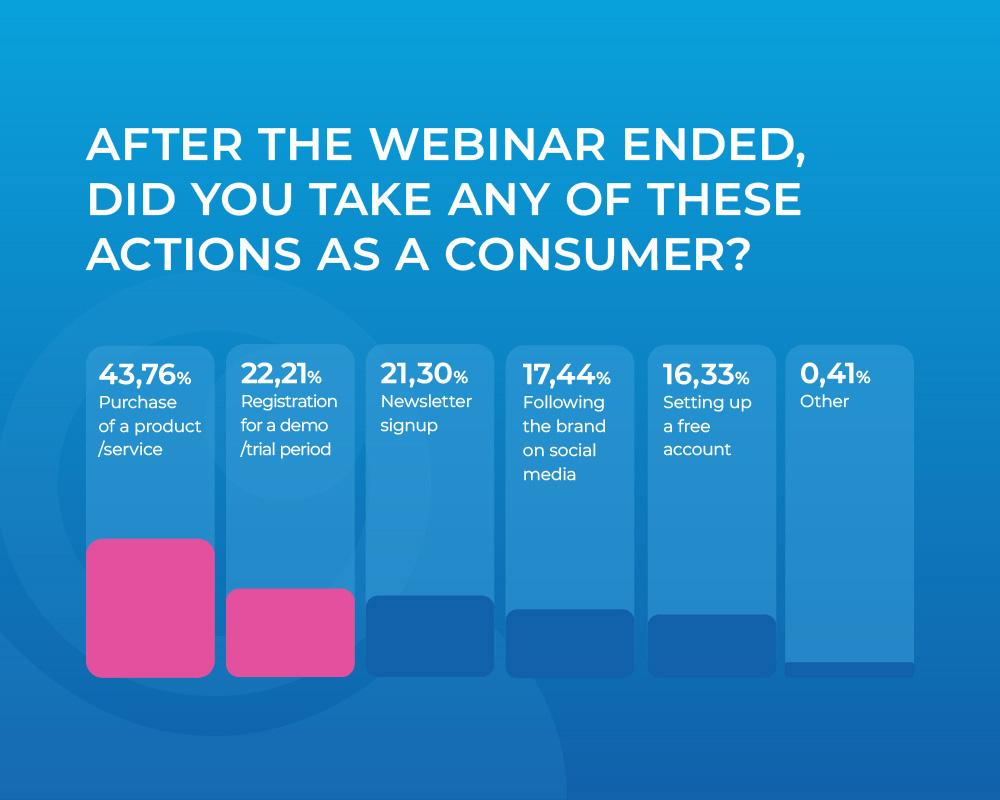
That’s huge. It proves again that live, engaging, and educational content really moves people to act.
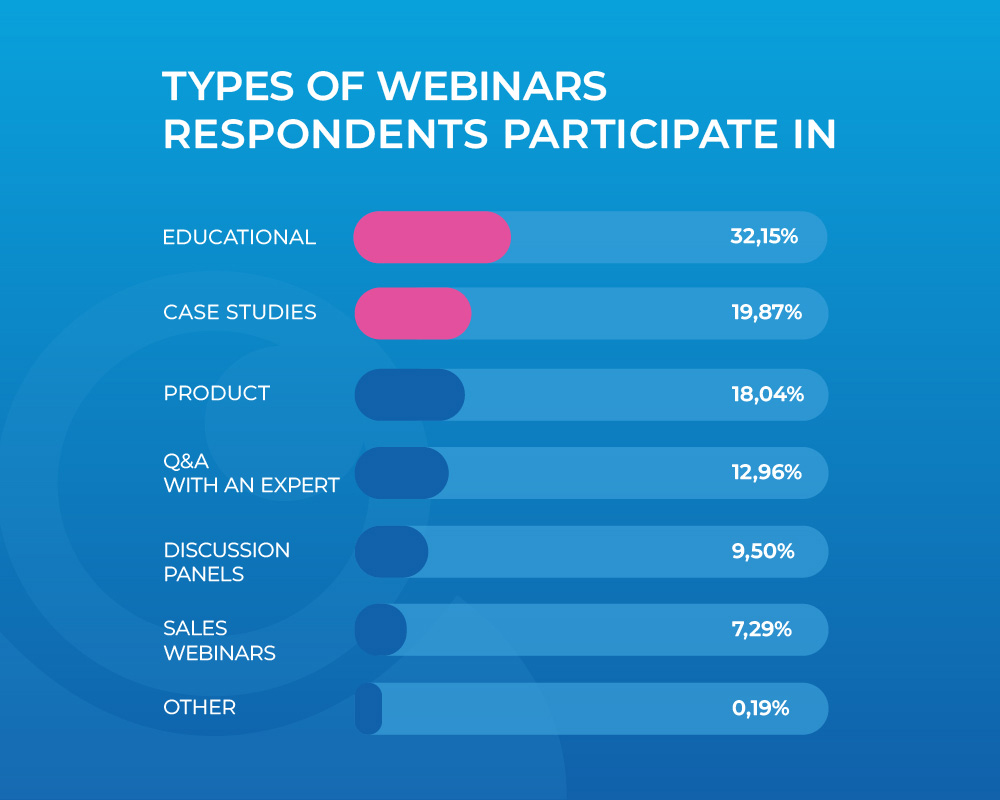
#5. 77% Prefer educational & product-focused webinars
77% of attendees prefer webinars that teach them something — product insights, case-studies, how-tos, or expert knowledge. Today’s audiences are clear about what they want: value first, sales second.
The modern buyer wants to:
- Learn something practical
- Understand the real-world application
- Gain insight before committing
This means people want to learn first and then decide to buy.
By focusing on value first, companies and freelancers can build genuine authority in their field. Sharing knowledge creates a connection that feels less like marketing and more like mentorship — and that’s what inspires trust.
#6. Webinars are cost-effective
According to our data, the estimated cost per lead (CPL) for webinar campaigns ranges between $45 and $98. In an era of rising paid ad costs and expensive in-person events, this makes webinars a competitive and scalable alternative.
No wonder they are used as a popular and cost-effective tool to generate leads. The report shows that the majority of organizers use webinars for education and lead generation.
This means that when combined with promotional goals, nearly half use webinars as a sales funnel tool.
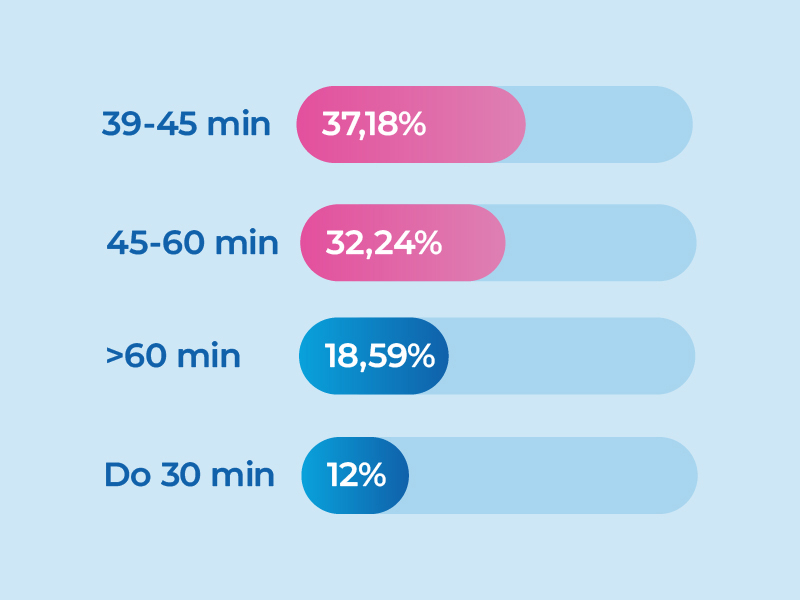
#7. 30–45 Minutes: the preferred webinar length
Our respondents clearly favor shorter sessions, with 30–45 minutes emerging as the optimal format. This reflects a broader content trend of focused delivery, high density of value, and shorter attention span.
#8. Tuesday wins (But timing still matters)
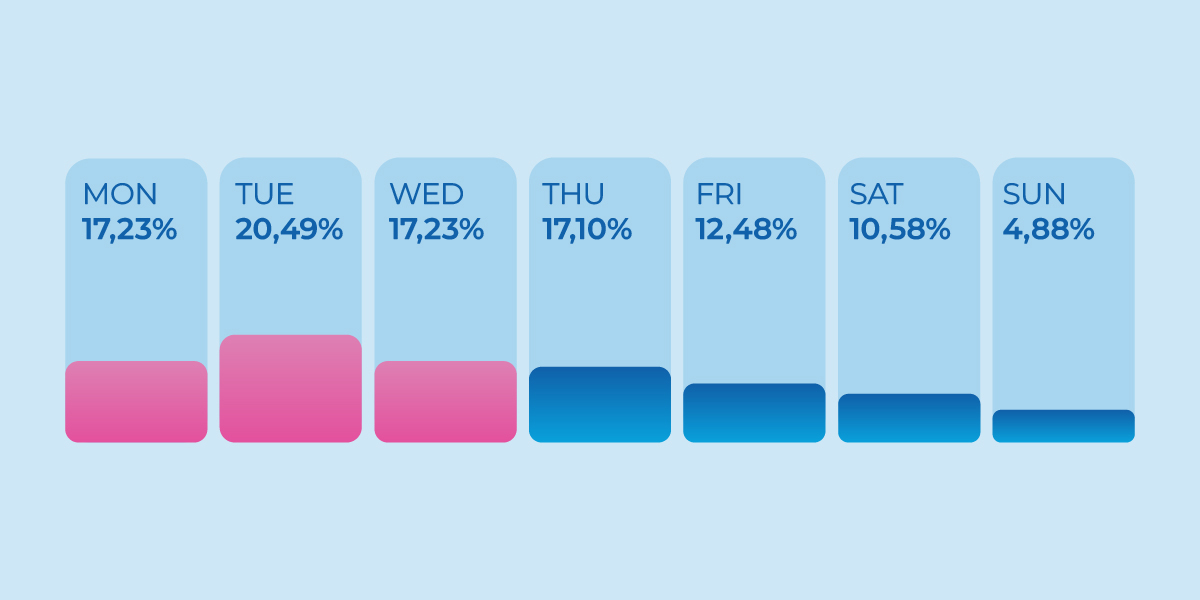
When should you host a webinar?
Tuesday leads globally, followed closely by Monday, Wednesday, and Thursday. Interestingly, Polish respondents ranked Thursday highest, and around 10% even selected Saturday as a viable option.
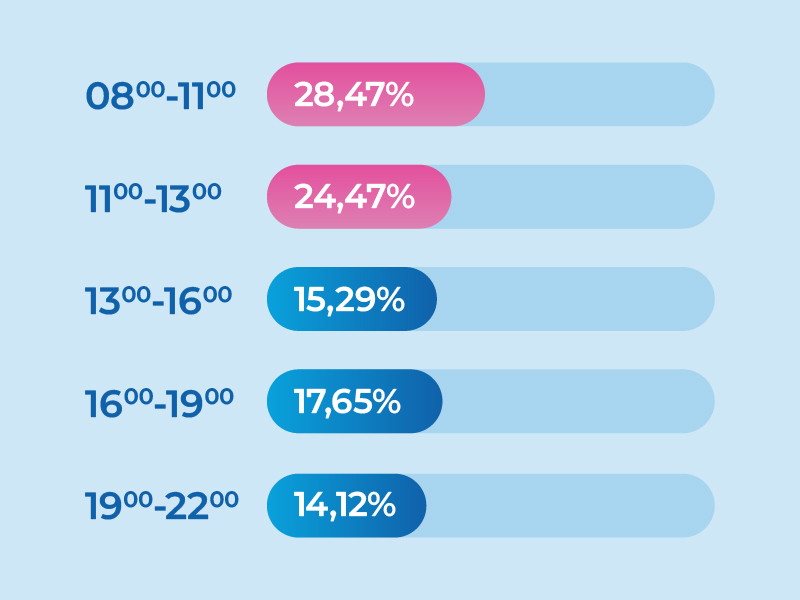
As for timing: morning sessions perform best overall, 25% also favor evening slots between 7:00 PM–10:00 PM. The best hours are usually late mornings (11:00–13:00).
#9. Webinars have the potential to earn money
The top-performing organizer in our survey generated more than $91,000 in revenue just from webinars in one year.
#10. Trends for 2026: Interactivity, Automation & AI
Our report also features insights from nine industry experts who shared predictions for the near future.
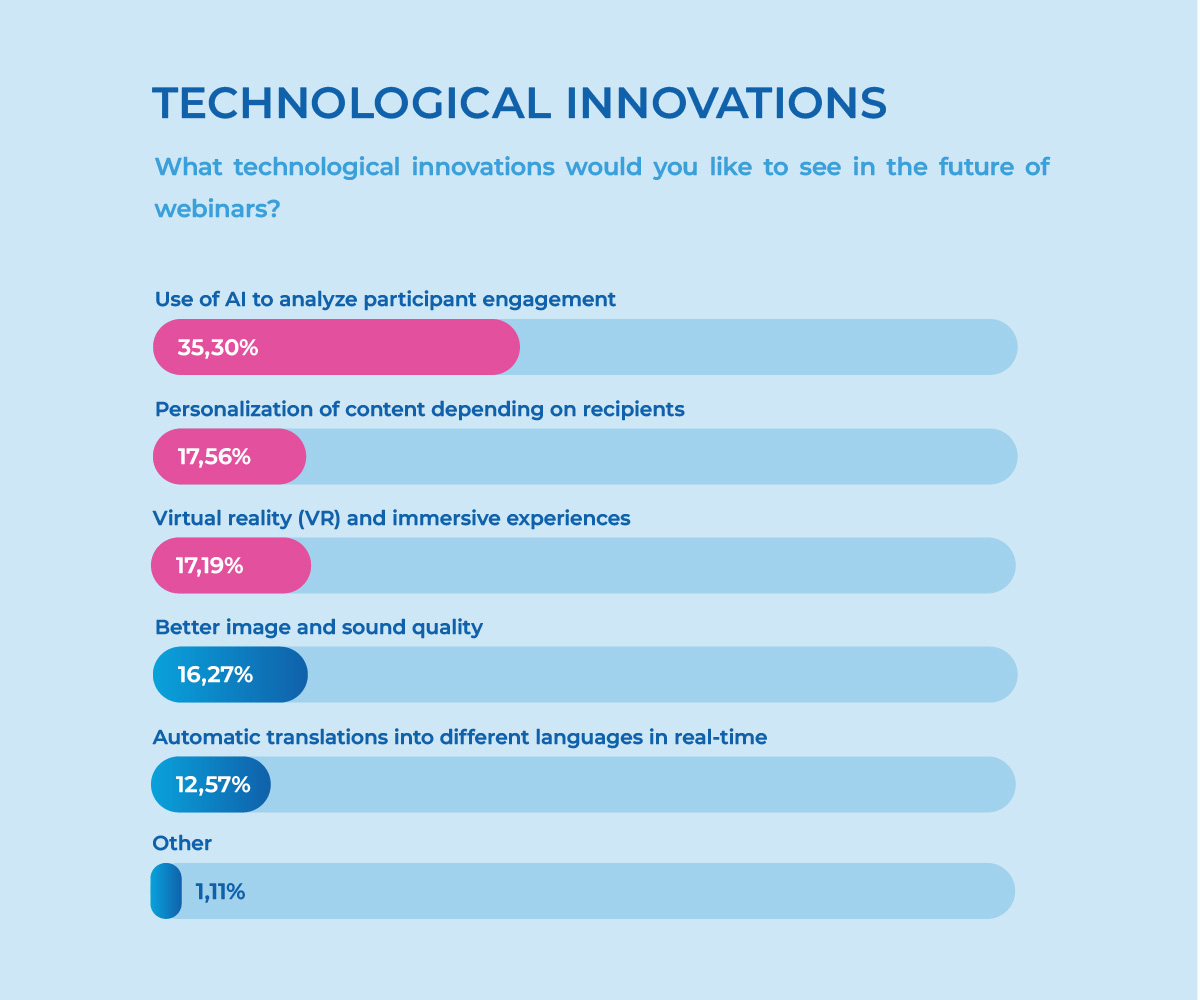
Several clear themes emerged:
- More interactivity. Moderated chats, polls, voting, and dynamic Q&A sessions are becoming standard. Passive viewing is giving way to active participation.
- Shorter formats. Compact, high-impact sessions will continue to gain traction.
- Automated webinars. On-demand and evergreen formats will play an even larger role in scalable lead generation.
- Expanded AI integration. From personalization and analytics to automated follow-ups, artificial intelligence will support — not replace — the human connection that makes webinars powerful.
Webinars are no longer just supporting your marketing strategy — they are actively driving revenue, influencing buying decisions, and generating qualified leads at scale. Our research confirms that when used strategically, webinars can become one of the most effective tools in the sales funnel.
If you want deeper insights, benchmarks, expert predictions for 2026, and practical recommendations you can implement right away, download the full State of Webinars 2026 report and see how to turn webinars into a powerful growth engine for your business.

How to Use Breakout Rooms for Business Meetings and Events